In collaboration with




Foodie Cook Battle: Autumn Comfort Food
The star recipes
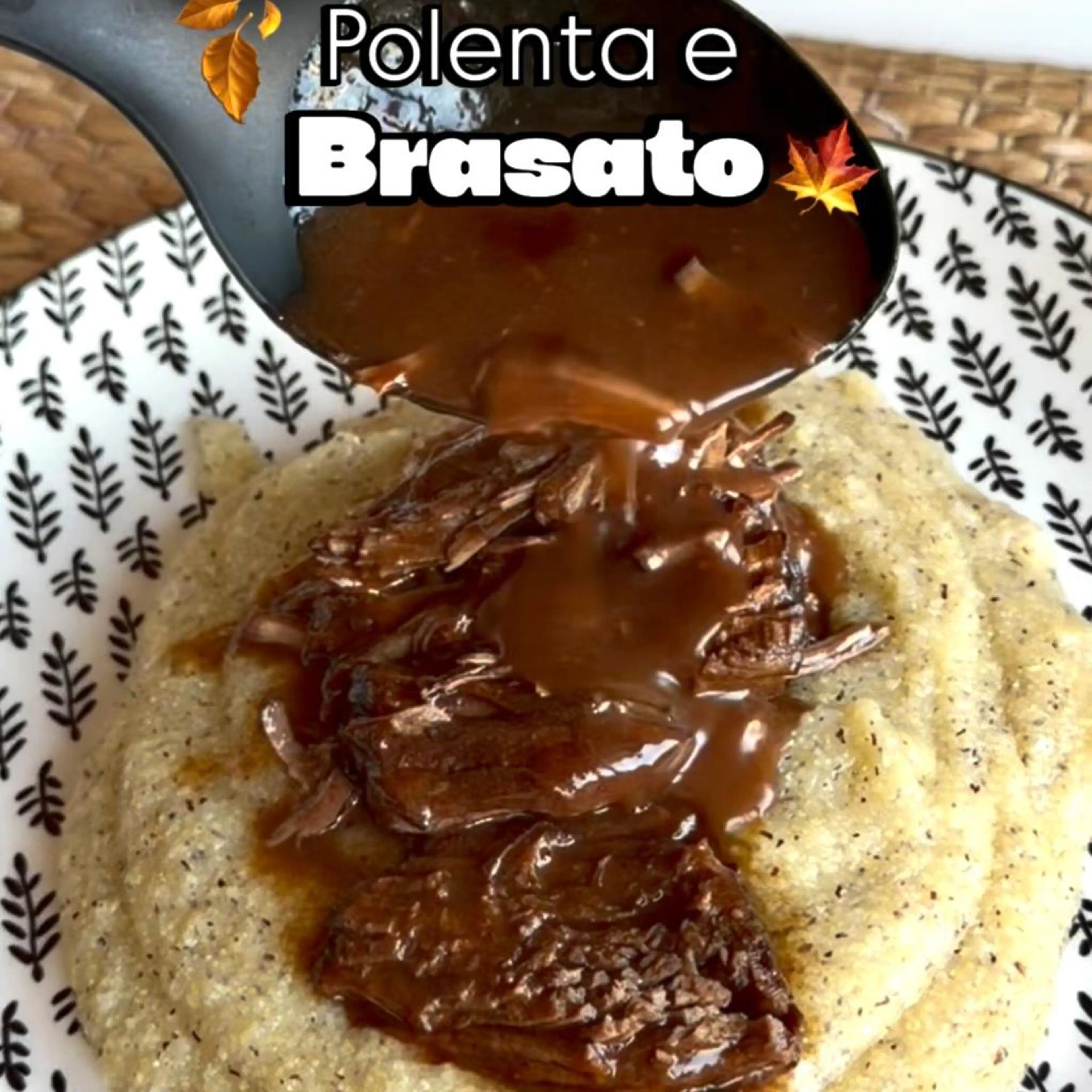
 Recipe by valecheffa
Very tender beef slowly braised in red wine with vegetables and herbs, served with steaming taragna polenta and its rich, fragrant reduced cooking sauce.
Step 1 of 13: Place the meat in a large bowl with the garlic, onion, carrots and celery, cut into pieces.
Step 2 of 13: Add the rosemary, sage, bay leaf, peppercorns and cloves, then pour in enough wine to cover the meat.
Step 3 of 13: Cover the bowl and leave the meat to marinate in the refrigerator for 24 hours.
Step 4 of 13: Drain the meat, pat it dry with paper towels and lightly coat it in flour, shaking off any excess.
Step 5 of 13: Heat a drizzle of oil in a pot and brown the meat on all sides until evenly golden.
Step 6 of 13: Remove the meat from the pot and pour in the marinade with the vegetables and herbs. Bring to a boil.
Step 7 of 13: Return the meat to the pot and add the beef stock, tomato paste, salt and ground pepper.
Step 8 of 13: Cover with a lid and cook over low heat for about 3 hours, turning the meat from time to time.
Step 9 of 13: When the meat is very tender, transfer it to a cutting board and strain the cooking liquid.
Step 10 of 13: Reduce the strained cooking liquid in a small saucepan over low heat until thick and creamy.
Step 11 of 13: Slice the braised beef and return it to the reduced sauce, gently stirring to coat.
Step 12 of 13: Cook the taragna polenta according to the package instructions, stirring until it reaches the desired consistency.
Step 13 of 13: Serve the braised beef piping hot with steaming taragna polenta and plenty of reduced sauce.

In summary: Not suitable for vegans · Not suitable for vegetarians · Not suitable for pescatarians · Contains nickel · Allergens detected: Gluten and Celery
In gray: not detectedDetected
| Average values | Per 100 g |
|---|---|
| Energy | 411 kJ98 kcal |
| Fat | 4.02 g |
| of which saturated fatty acids | 1.7 g |
| Carbohydrates | 5.22 g |
| of which sugars | 2.2 g |
| Fibre | 0.96 g |
| Protein | 5.2 g |
| Salt | 0.13 g |
Calculated based on the recipe ingredients: it does not take traces or the composition of the products you use into account. Automatic analysis, limited to certain aspects: it may contain errors, so always check the label.